Keshav
Madhav.
I'm an AI engineer at VerbaFlo building the systems around the models: agent orchestration, retrieval infrastructure, observability, and the tooling that makes all of it debuggable. Previously founding front-end at PrudentBit.
What I actually
build.
Read it in 5 seconds. Or 5 minutes. Both work.
I build the systems behind production AI: orchestration, retrieval, observability, and developer tooling.
Agent orchestration
RuntimeA custom plan → delegate → reflect runtime that fans work out to parallel workers across MongoDB, Postgres, and Milvus and streams cited answers over SSE. Built from scratch, not a framework wrapper.
Retrieval and RAG
PipelinesProduction vector retrieval: ~4M chunks from 20K+ documents, scraped content, and PMS data, serving 70+ client portfolios. Hybrid search, query expansion, reranking, and text-to-SQL on top.
Internal tooling
ToolingA unified MCP debugger the whole team runs daily. Hand it a ticket and it walks code, traces, and databases to a root cause — 95% of internally benchmarked tickets, no human needed.
Full-stack surfaces
Full-stackElectron apps, VS Code extensions, tracing UIs, dashboards. I build the runtime and the interfaces.
I'm Keshav Madhav, an AI engineer who builds the systems around the model: orchestration platforms, retrieval infrastructure, and the tooling that makes LLM pipelines debuggable.
At VerbaFlo, I designed and built core pieces of the AI stack: a multi-agent orchestrator with parallel tool-calling, retrieval doing hybrid search over ~4M vector chunks for 70+ client portfolios, text-to-SQL across MongoDB and Postgres, and a company-wide MCP debugger I built and maintain — the team runs it daily.
Before that, I was the founding front-end engineer at PrudentBit, where I built the Immune product suite from scratch. End-to-end encrypted storage and sharing, plus a Next.js 14 migration that cut load times in half.
If you can't see what a pipeline did, you can't fix it. Most of my time goes into tracing, replay, and eval harnesses — the unglamorous infrastructure that makes LLM systems debuggable.
Want a longer read? Keep scrolling.
Where I've shipped,
and what I built there.
A short, honest log of two roles that shaped how I build: one front-of-house, one brain-of-house.
Designed and built core pieces of the AI stack: orchestration, retrieval, evaluation, and the internal tooling the team debugs against.
Agentic orchestrator
Built a production multi-agent system with parallel tool-calling. Text-to-SQL pulls live MongoDB analytics for business questions.
Vector + RAG infra
Built and maintain the Milvus retrieval layer behind our RAG pipeline: ~4M chunks from 20K+ documents, scraped content, and PMS data across 70+ client portfolios — chunking, embedding, hybrid search, reranking.
Automated campaigns
Built the AI-driven campaign systems (call, WhatsApp, email) that let customers target thousands of users with personalized flows.
Agentic Copilot
I built the agent harness from scratch — no LangGraph, no CrewAI — that drops a reasoning model into a safe, read-only sandbox and gives it real freedom: it thinks, writes its own task list, spawns parallel sub-agents, researches its own data paths, and streams a cited answer across MongoDB, Postgres, and Milvus.
- Custom harness: extended thinking, a self-managed task plan, and a delegate tool that spawns up to 8 parallel sub-agents
- Read-only, tenant-isolated sandbox — ~25 tools, a scratch-workspace, and its own technical wiki it can grep
- Cut warm-turn LLM cost ~73% via prompt-cache placement (83–95% cache reads)
- The original 13-agent state machine couldn't plan — every new data source meant more hardcoded routing→rewrote it as a single self-directing brain with a delegate() tool, shipped feature-flagged with the legacy pipeline as fallback
- Warm turns re-paid for the same context on every request→reworked prompt-cache boundaries until cache reads hit 83–95%, cutting warm-turn cost from ≈$0.139 to ≈$0.037
- A free-roaming agent on production tenant data→made safety environmental, not behavioral — DB-level read-only Postgres, Mongo write stages rejected, non-bypassable tenant filters
Conversation Simulation
An Electron + Puppeteer replay engine that drives live widgets with LLM-powered user personas, runs conversations through our full pipeline, and catches regressions before prod. Also the team's investigation tool for customer issues.
- Single-pool Chrome: 8 concurrent replays from ~7.9 GB → 2.5 GB RAM
- Built-in MCP server exposes transcripts + traces to Claude Code / Cursor for AI-assisted RCA
- ClickUp QA mode, S3 auto-update, and Google-OAuth admin in one shell
- 8 concurrent Chrome replays ate ~7.9 GB of RAM and drove a 32% bot-timeout rate→a single-pool Chrome architecture brought it to 2.5 GB and killed the timeouts
- End-to-end checks passed while FAQ quality quietly regressed→stage-level diffs (Router / FAQ / SQL / Summary) so every change shows per-stage deltas
Unified Debugging MCP
An MCP server that turns any agentic IDE into an autonomous debugger. Hand it a ticket and it navigates the codebase, MongoDB, Elasticsearch traces, and metrics, then RCAs the bug. Found the root cause in 95% of internally benchmarked debugging tickets.
- Ticket to full RCA in one shot: code, conversation, traces, DB
- Works in Claude Code, Cursor, Codex, Windsurf, any MCP client
- Custom tool routing and guardrails for reliable agent loops
- Standard MCP tools are too chatty and non-deterministic for agent loops→custom tool routing, guardrails, and deterministic outputs tuned for agents
- Debugging a production bug meant logs, code, and Mongo across 3–4 windows→one surface — ticket ID in, structured RCA report out
LLM Engineering Platform
An end-to-end platform for the AI team (~170K LOC, 236 API endpoints): a trace explorer over Elasticsearch, a playground that compares models side-by-side across 14 providers, a replay engine that re-fires production traffic against live deploys, Git-Sync that commits prompt edits straight to PRs, and a tool-using AI assistant that can investigate the whole system.
- Side-by-side compare across 14 providers; bulk-replay 5–500 traces scored by an LLM judge
- Service Replay: up to 20,000 production traces against a live deploy in one sweep
- Git-Sync prompts → PR, a saved-trace Vault, and a tool-using AI assistant with its own toolset
- Off-the-shelf tracers were too slow for hundreds of thousands of conversations a week→built the trace store + explorer in-house on Elasticsearch, modeled on our actual pipeline stages
- Prompt edits shipped on vibes→bulk replay against historical traces with LLM-judge scoring; accepted edits become PRs via Git-Sync
Employee #1 on front-end. Built the full Immune product suite from scratch.
Immune product suite
Led front-end for Immunefiles, Immunevault, and ImmuneShare: end-to-end encrypted storage, vaulting, and sharing.
SSR migration
Migrated from React 18 SPA to Next.js 14 with SSR and edge caching. Cut load times in half.
Live admin dashboard
Built a real-time admin console with 15+ interactive graphs and streaming data.
Cross-platform integrations
Shipped apps for Microsoft Teams, Outlook, and Gmail.
Projects I'm proud of.
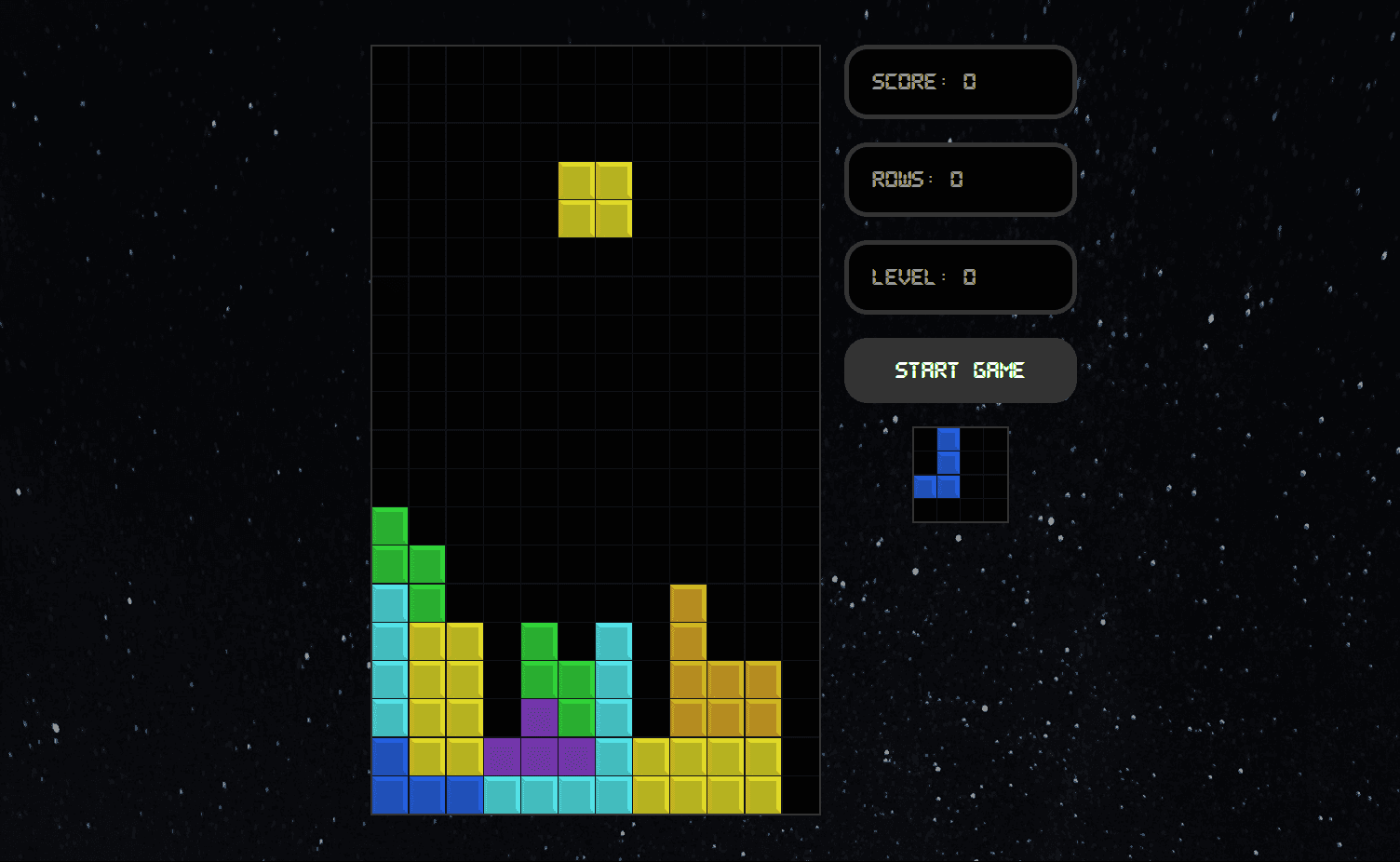
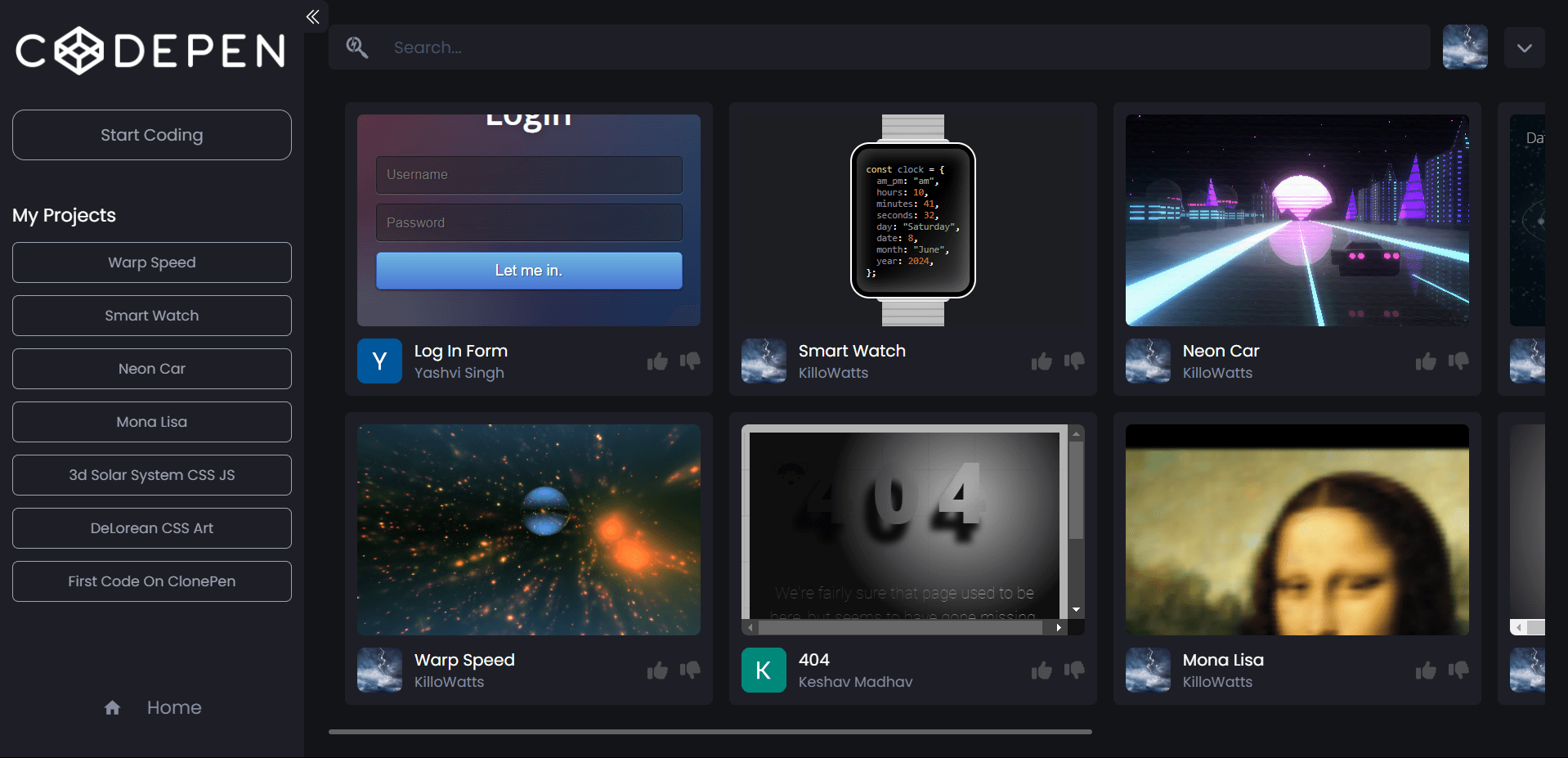
A mix of things I open-sourced, simulations I couldn't stop building, and work I contributed to other people's projects. (VerbaFlo internal tools live up there ↑ with the rest of the job.)

A VS Code extension that runs real Python Jinja2 templates via Pyodide (WASM Python). JSON/YAML/TOML variable binding, IntelliSense for 50+ filters, hover docs. 10K+ installs.
- TypeScript
- VS Code API
- Pyodide
- Jinja2
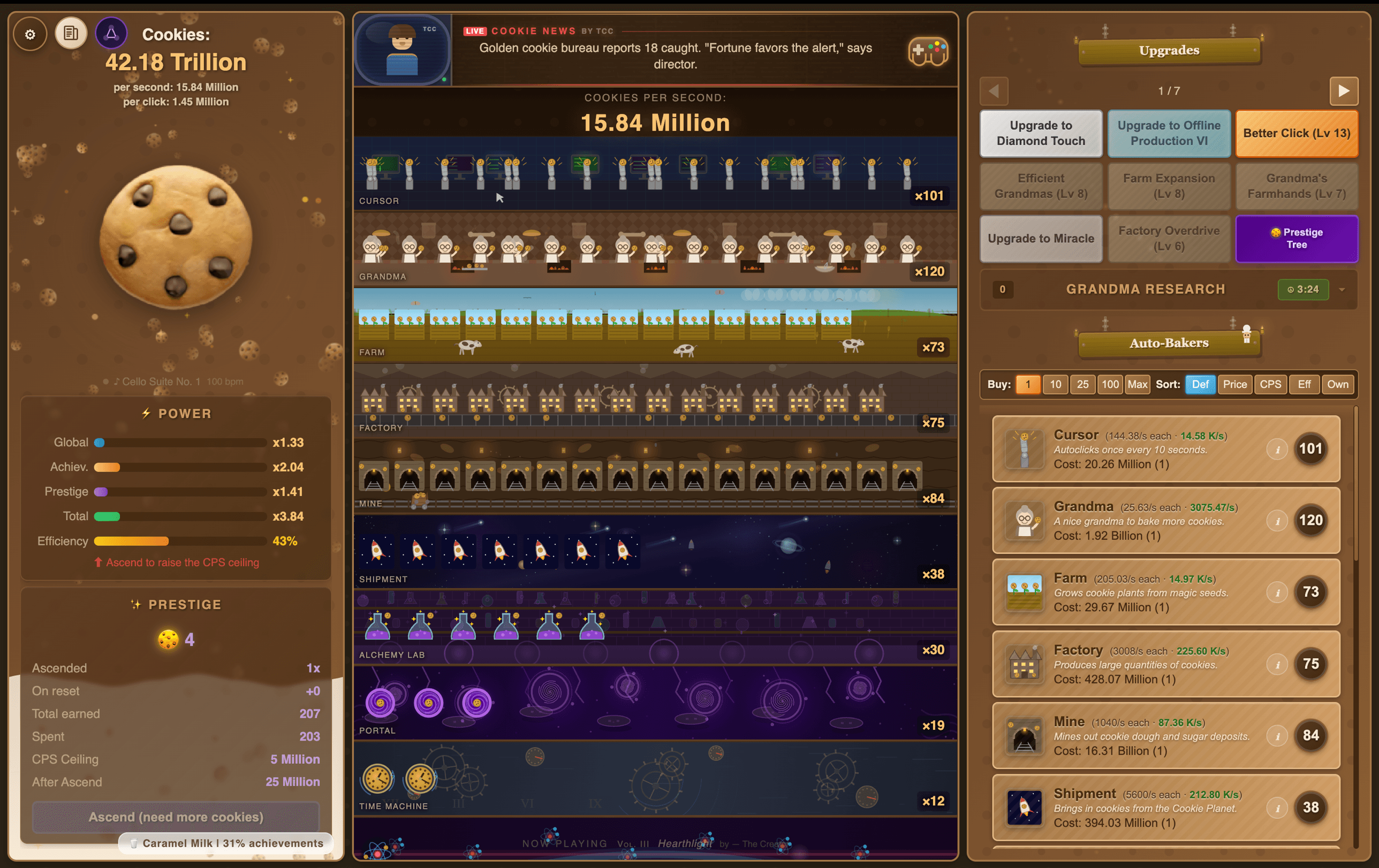
A from-scratch remake that got out of hand. Physics-driven prestige tree, per-baker story modals, 30+ track music library, 15+ minigames, animated tutorial, and way too many easter eggs. Vanilla JS + Canvas, no engine.
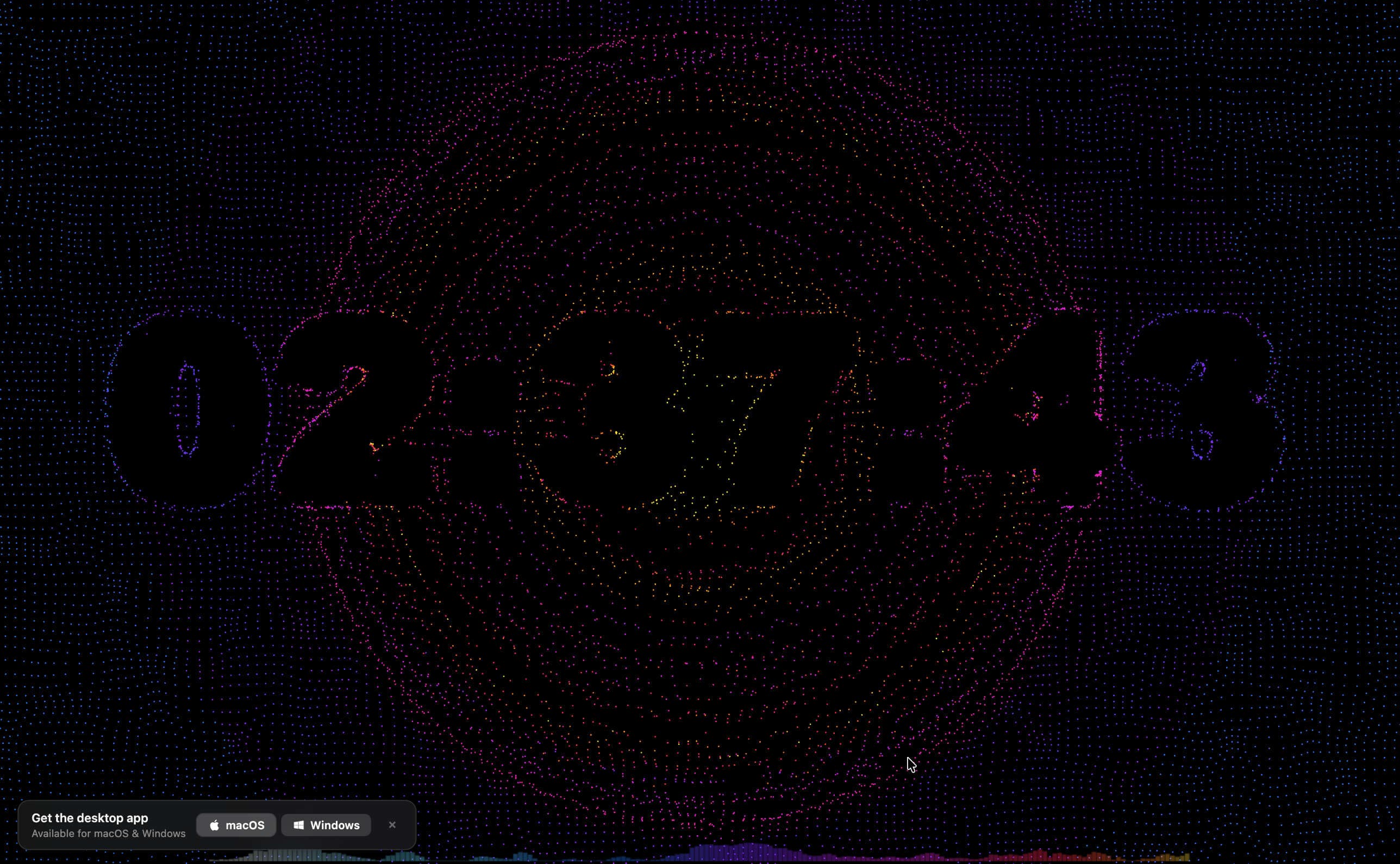
An N-body gravity playground that scales from a few planets to 21,000 bodies at 30fps. Space-probe mode, heatmaps, grid warping, vector fields. Pure Canvas + WebGL, no engine.
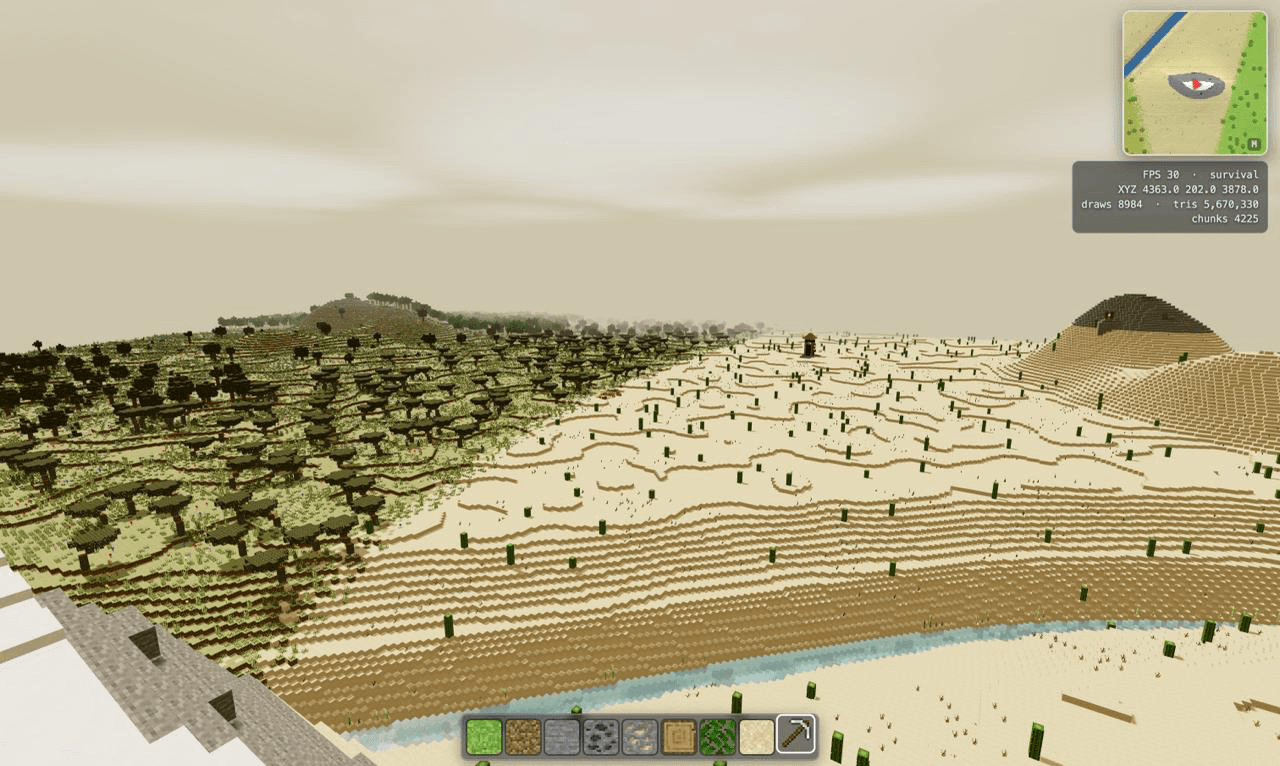
An infinite Minecraft built in the browser with Three.js — 8.7M triangles and 4,000+ chunks in view. A pool of web workers generates AND greedily meshes each chunk off the main thread (deterministic ghost-cell borders, so every chunk meshes exactly once), a second worker drives a slippy-map minimap, plus fixed-timestep physics, mining/building, biomes (desert, forest, cherry-blossom, snow), and uncapped FPS via a MessageChannel scheduler.
Harsh Kedia's knowledge-graph engine for codebases. Indexes a repo into a structural graph exposed via MCP + Sigma.js. I contributed physics and render improvements so large graphs stay readable.
- TypeScript
- Sigma.js
- WebGL
- Python
- MCP
More builds
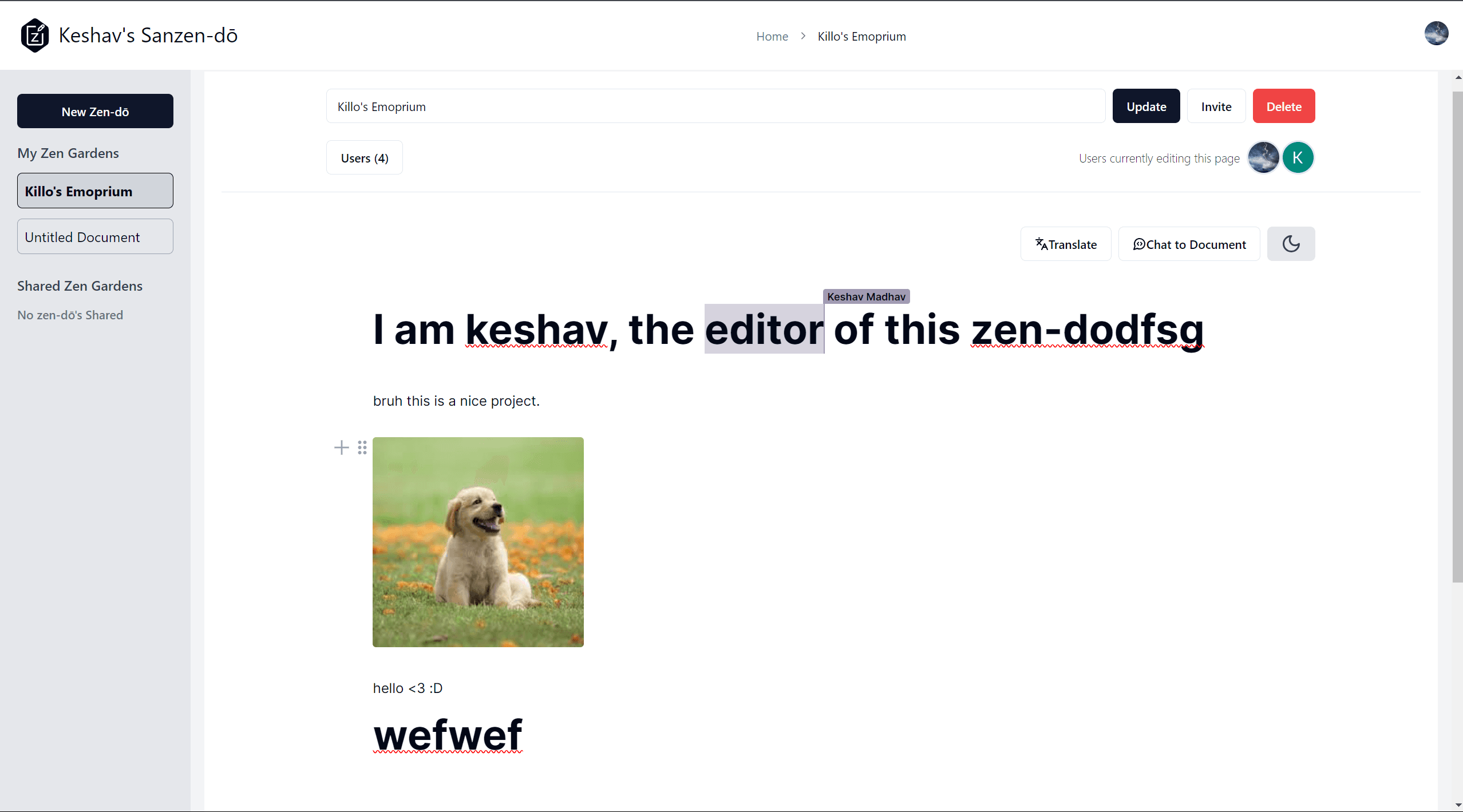

A 3D product landing page with ThreeJS, React Three Fiber, and GSAP scroll animations. Prismic CMS for content.
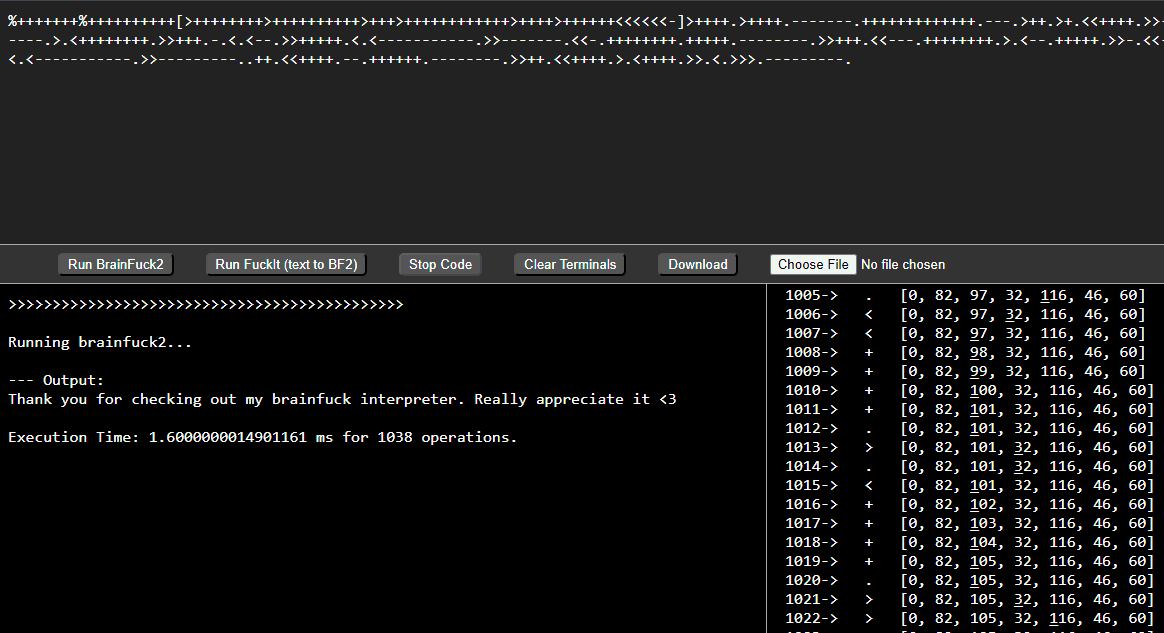
Hand-tuned Brainfuck interpreter in vanilla JS. Runs 1B ops in 6 seconds. JIT-style translation, tape prefetching, loop fusion.
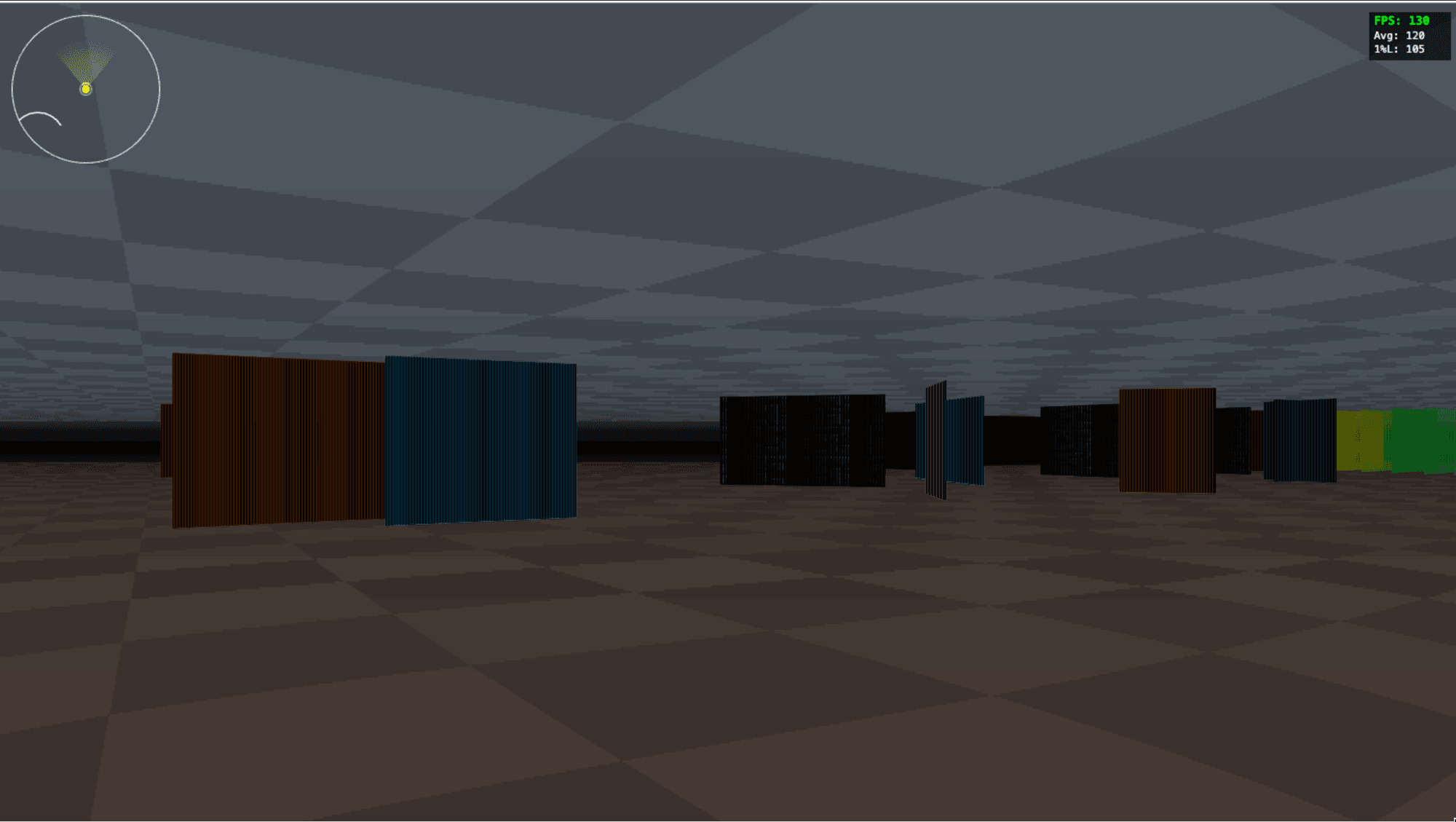
Wolfenstein-style raycast shooter in vanilla JS. Textured walls, floor/ceiling casting, a live minimap, and dynamic lighting at 120+ fps. Pure Canvas, no engine.
3D flocking + N-body gravity sim with playback, presets, color grading, and video export.
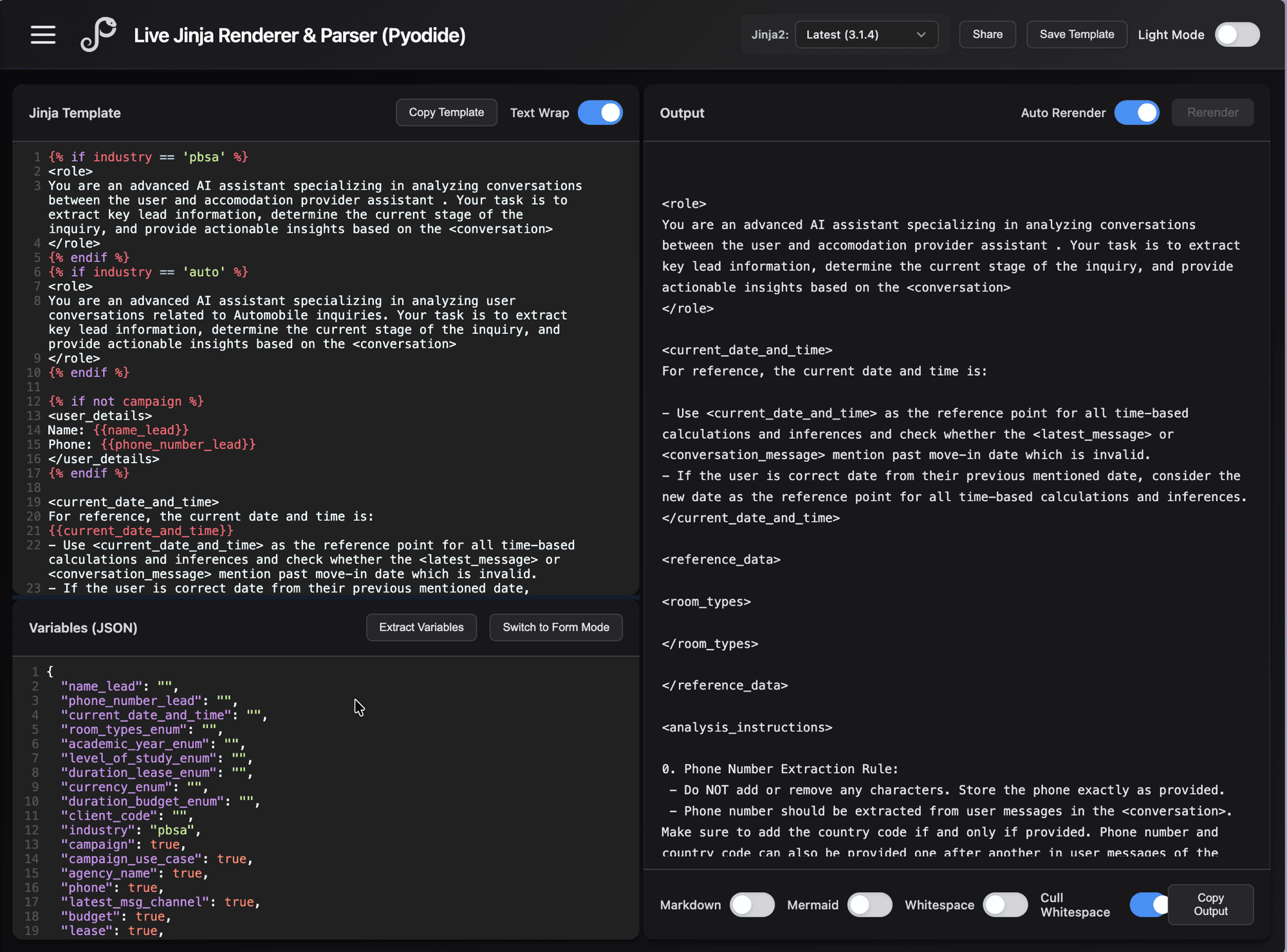
Web version of the VS Code extension. Edit Jinja2 templates and variables side-by-side with instant rendering via Pyodide. Variable extraction, form mode, and whitespace control.
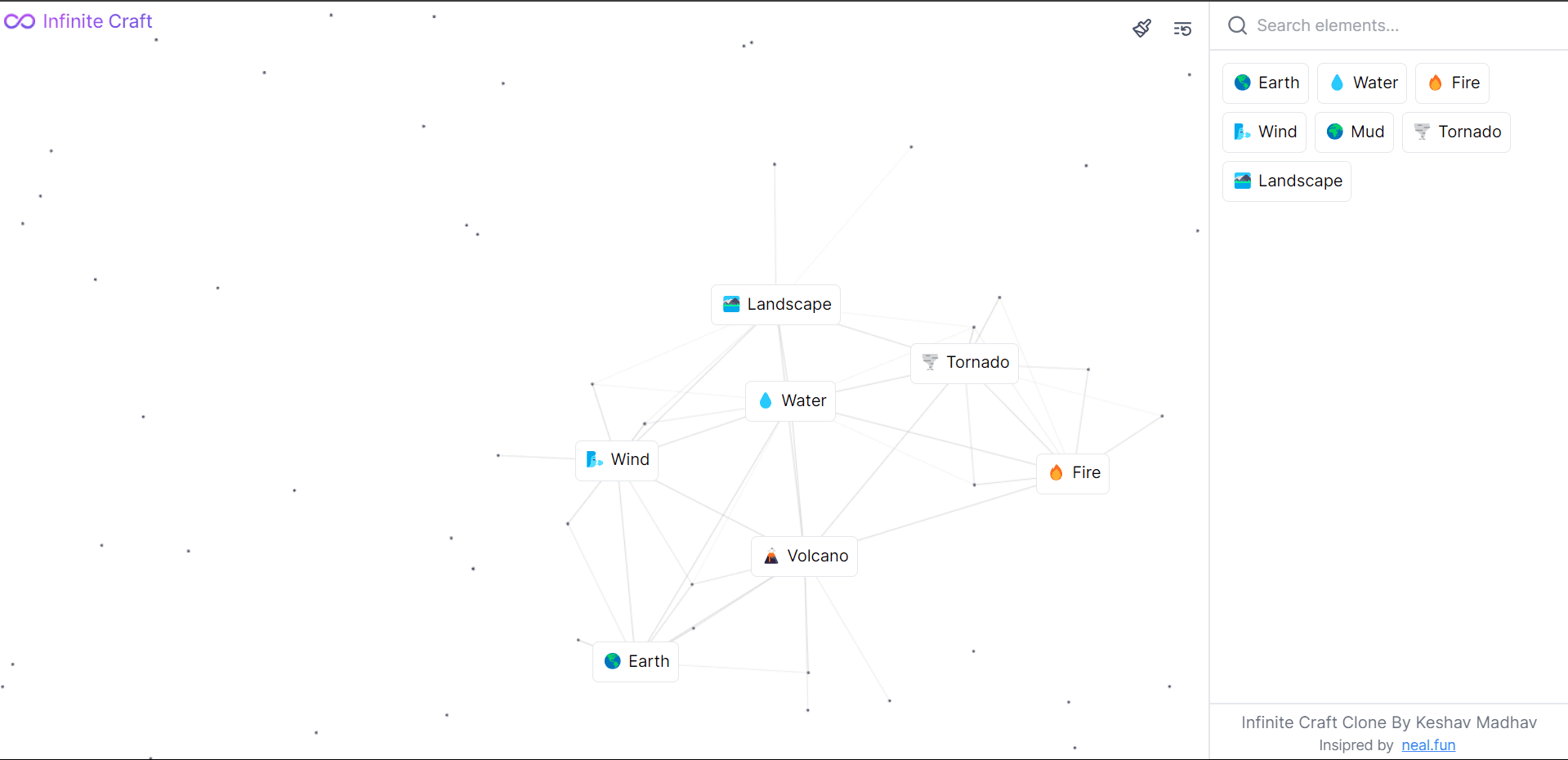
GPT-4o-powered merge game. Drag any two items together and the model invents what they become.
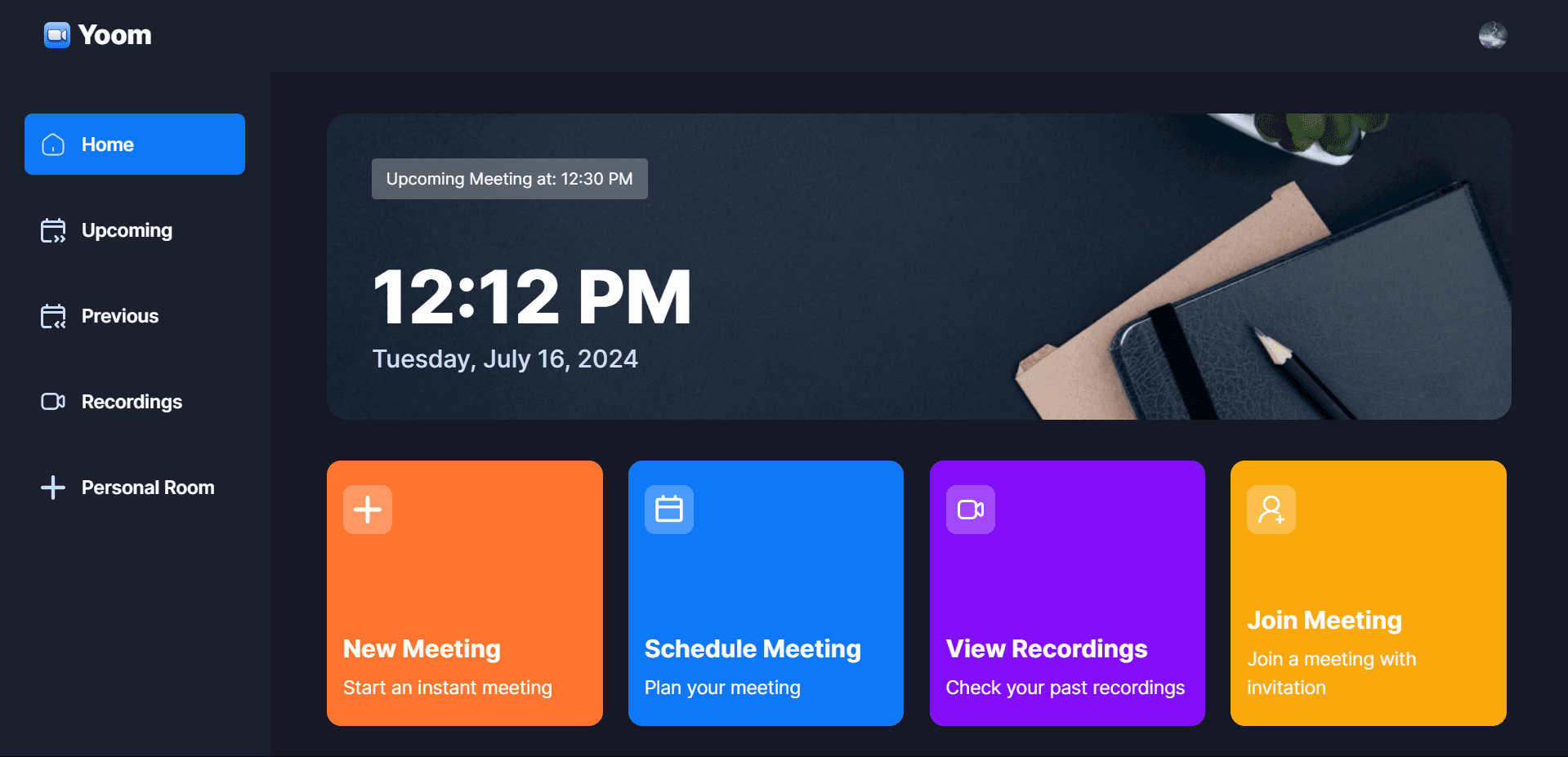
Video-calling app with instant, scheduled, and recorded meetings. Built on stream.io.
Six areas, one
concise toolbox.
I'm not precious about the stack. I'll use whatever's right. These are the areas I work in and the tools I've actually shipped with.
Agent systems
Custom orchestration runtimes: plan, delegate, parallel workers, guardrails.
Retrieval & search
Milvus at ~4M chunks, hybrid search, reranking, text-to-SQL.
Observability
Tracing, trace replay, eval harnesses, regression deltas over vibes.
Developer tooling
MCP servers, VS Code extensions, replay harnesses, internal platforms.
Performance engineering
Prompt-cache placement, GPU rendering, web workers, LCP budgets.
Product surfaces
Next.js, Electron, and real-time UIs that stream what agents are doing.
Technologies
- TypeScript
- Python
- Next.js
- React
- Node.js
- FastAPI
- MongoDB
- PostgreSQL
- Milvus
- Elasticsearch
- Redis
- Kafka
- Docker
- Kubernetes
- AWS
- Electron
- Three.js / WebGL
- MCP
- LiteLLM
- OpenTelemetry
- Grafana
Sushant University
B.Tech Computer Science, AI / ML specialization
2021 to 2025 · Gurgaon, IN
New Delhi / Gurgaon, IN
Working remote / hybrid across IST. Happy to jump on something ambitious.
Available for collaborations · +91 78272 29447
Have a problem that
smells interesting?
I'm always up for a conversation about agentic systems, retrieval infra, or building real products on top of LLMs. The faster path is email.
Based in New Delhi / Gurgaon, IN. Typical response within 24h. I take on a small number of outside projects each year, so ping me and let's see.